
The best products for high porosity hair
High porosity hair drinks moisture in and lets it right back out. The right products do two jobs: fill and strengthen the raised cuticle, then seal everything in. Here are the product types that actually deliver that.
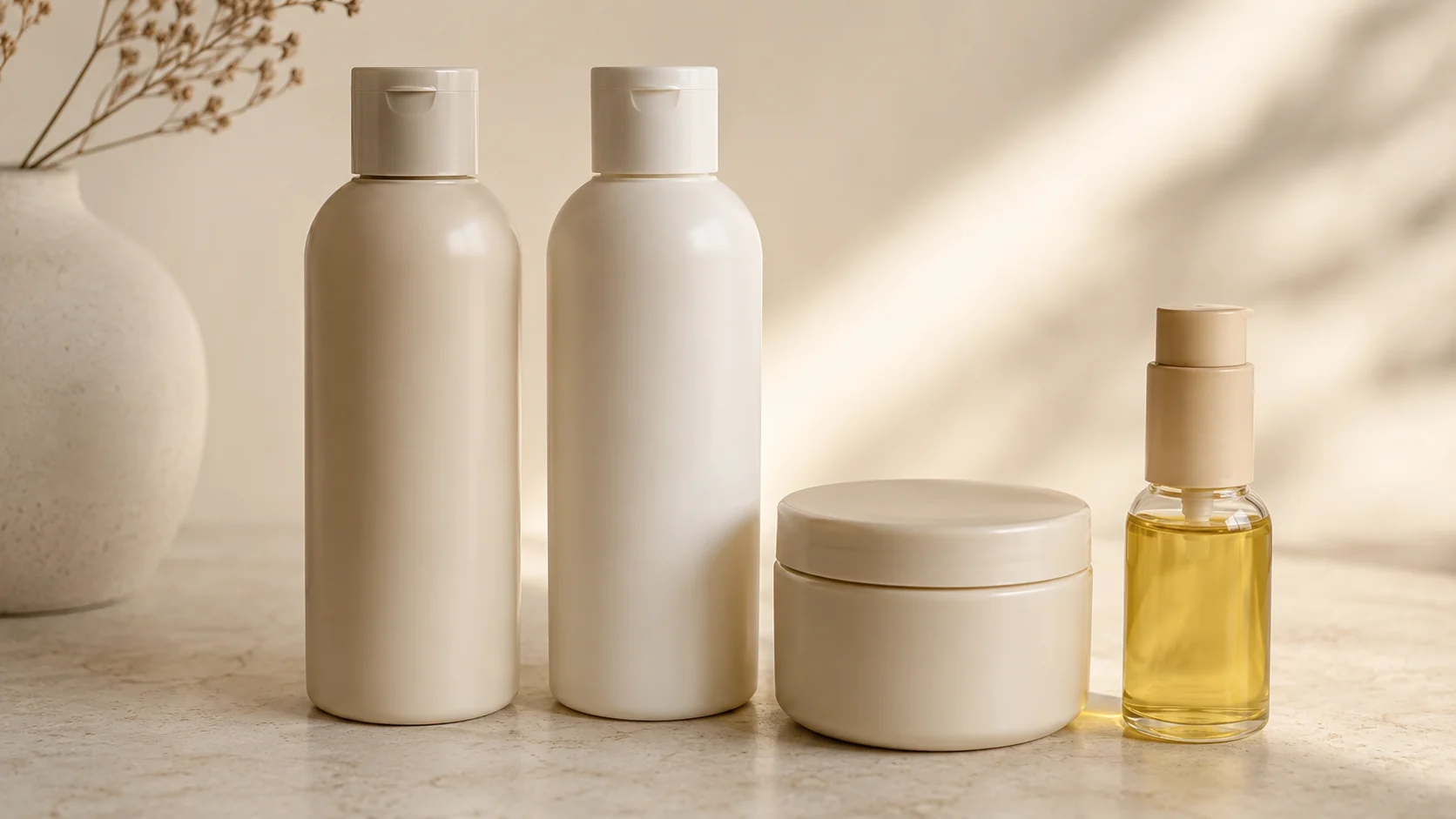
What high porosity hair needs from products
High porosity hair has a raised, gappy cuticle, the outer layer of overlapping scales that lifts at the edges instead of lying flat. Water and product slip in fast through those openings, and they slip back out just as fast. So the job a good product has to do is never really about delivering moisture. That part is easy. The job is to patch the surface and then hold the moisture in long enough to matter.
Once you frame it that way, the right products almost pick themselves. You are shopping for three roles, in this order:
- Protein or bond to fill the gaps. Hydrolyzed proteins and bond-builders temporarily plug the openings in a raised cuticle and add strength. This is the one hair type that genuinely benefits from regular protein.
- Rich moisture to fill the strand. Deep conditioners, masks, and heavier creams flood thirsty hair with water and emollients so there is something worth sealing in.
- A heavier seal to slow the loss. Sealing oils and butters sit on the outside of the strand and slow how fast that moisture escapes. High porosity hair simply needs a heavier lid than most.
Everything below is one of those three roles, plus the two cleansers that keep the whole system working. Pick by the job, not by the label on the front.
Do not shop for "moisturizing" products and stop there. High porosity hair can get moisture in all day long. What it cannot do is keep it. The products that change your hair are the ones that fill the cuticle and seal the door behind the water.
The product types that work
Here are the six product types that earn a place in a high porosity routine, each with the job it does, an example to look for, and a budget alternative that does the same thing for less.
- 1. Protein or bond-building treatment. This is the patch. A weekly or biweekly bond-builder or hydrolyzed-protein treatment fills the cuticle gaps and reinforces the strand so it stops feeling stretchy and weak. Look for a bond-repair treatment like Olaplex No.3; on a budget, a two-step protein treatment such as Aphogee does heavier lifting for damaged hair. Use it as a treatment, not a daily, and always follow with moisture.
- 2. Rich deep conditioner or hair mask. This is the flood. High porosity hair drains fast, so it benefits from a thick, slip-heavy mask every wash, ideally with a little gentle heat to push it in. A honey or shea-based masque like SheaMoisture Manuka Honey works well; a budget honey mask such as TGIN Honey Miracle does the same job. Leave it on longer than the bottle says.
- 3. Water-based leave-in for the LOC or LCO method. This is the actual water you are trying to keep. A thin, water-first leave-in or curl milk is the "liquid" step you build everything else on top of. A leave-in spray or milk that lists water (aqua) as the first ingredient is exactly right. Apply it to soaking-wet hair, not towel-dried.
- 4. Sealing oil (argan, castor, jojoba, baobab). This is the lid. A heavier sealing oil goes on last and slows water loss for hours. Castor and baobab are on the heavier end and suit very porous or coily hair; argan and jojoba are a touch lighter for finer textures. A few drops is plenty. You are sealing, not soaking.
- 5. Gentle or sulfate-free cleanser, or a co-wash. Harsh cleansing strips the little moisture this hair manages to hold. A sulfate-free cleanser or a cleansing conditioner (co-wash) keeps the cuticle calmer between wash days. Reach for a creamy, sulfate-free wash, or co-wash on the weeks your hair feels especially dry.
- 6. Clarifying shampoo, used occasionally. Sealing oils, butters, and hard-water minerals build up over time, and that film eventually blocks moisture from getting in at all. A clarifying shampoo every few weeks resets the slate so the rest of the routine keeps working. This is the one product you use rarely and deliberately.
If you can only buy two things to start, make them a bond or protein treatment and a sealing oil. The treatment patches the cuticle and the oil holds the door shut. Together they fix the two failures that define high porosity hair.
Ingredients to look for and avoid
Once you know the roles, the ingredient list on the back tells you whether a product can actually fill them. These are the ingredients worth reaching for on high porosity hair:
- Hydrolyzed proteins (wheat, keratin, silk, rice) for bonding and strength, since they temporarily fill the cuticle gaps.
- Shea butter and other rich emollients to hold moisture into fast-draining strands.
- Ceramides, which help reinforce and smooth a damaged, raised cuticle.
- Sealing oils such as argan, castor, jojoba, and baobab to lock everything in as the final step.
And the ones to be careful with. None of these are forbidden, but they tend to work against high porosity hair if you lean on them:
- Harsh sulfates in everyday cleansers, which strip the moisture this hair already struggles to keep. Save strong cleansing for the occasional clarifying wash.
- Drying alcohols (such as alcohol denat or isopropyl alcohol high on the list), which evaporate fast and leave already-thirsty hair more parched.
- Too many lightweight humectants on their own in humidity. Glycerin and honey pull water in, but on open, porous hair in damp weather that can mean water rushing in and frizz on the way out. Use them, but seal them under an oil or cream.
How to layer them
Owning the right products only helps if you stack them in the right order. The shorthand is the LOC or LCO method, and the letters are the whole recipe:
- LOC = Liquid, Oil, Cream. Water-based leave-in first, then a sealing oil, then a richer cream on top.
- LCO = Liquid, Cream, Oil. The same water-based leave-in, then a cream, then the oil as the very last, outermost step.
In both versions the liquid is the moisture you are trying to keep, and the oil and cream are the lid. High porosity hair usually does best ending on an oil, which is why many people with this hair type prefer the LCO order: the oil sits on the very outside of the strand and slows water loss for longest. Try both over a couple of wash days and keep whichever leaves your hair soft the longest the next morning. If you want the full routine and the deep-dive on these methods, the high porosity hair guide walks through it step by step.
Products that work
Below are the kinds of products that suit high porosity hair, described by type rather than brand so you can match the idea to whatever is available to you. Look for these roles in your routine and pick the formula that fits your texture and budget.
Heads up: the links below are affiliate links. If you buy through them we may earn a small commission at no extra cost to you, and we pick by fit, not by commission.
Frequently asked questions
What products are best for high porosity hair?
High porosity hair does best with a protein or bond treatment to fill the cuticle, a rich deep conditioner, a water-based leave-in, and a sealing oil like argan or castor to lock moisture in. Cleanse gently and clarify only occasionally.
Is protein good for high porosity hair?
Yes. Because high porosity hair has a raised, gappy cuticle, hydrolyzed proteins temporarily fill those gaps and add strength. It is one of the few hair types that genuinely loves regular (but not excessive) protein.
What is the best oil for high porosity hair?
Heavier sealing oils work best as the final step. Argan, castor, jojoba, and baobab sit on the outside of the strand and slow moisture loss. Apply over a water-based leave-in and cream for the most staying power.