
The best products for low porosity hair
Low porosity hair does not need more product. It needs product it can actually absorb. The right ones are light and water based, applied with a little warmth, so moisture finally gets in instead of sitting on top.
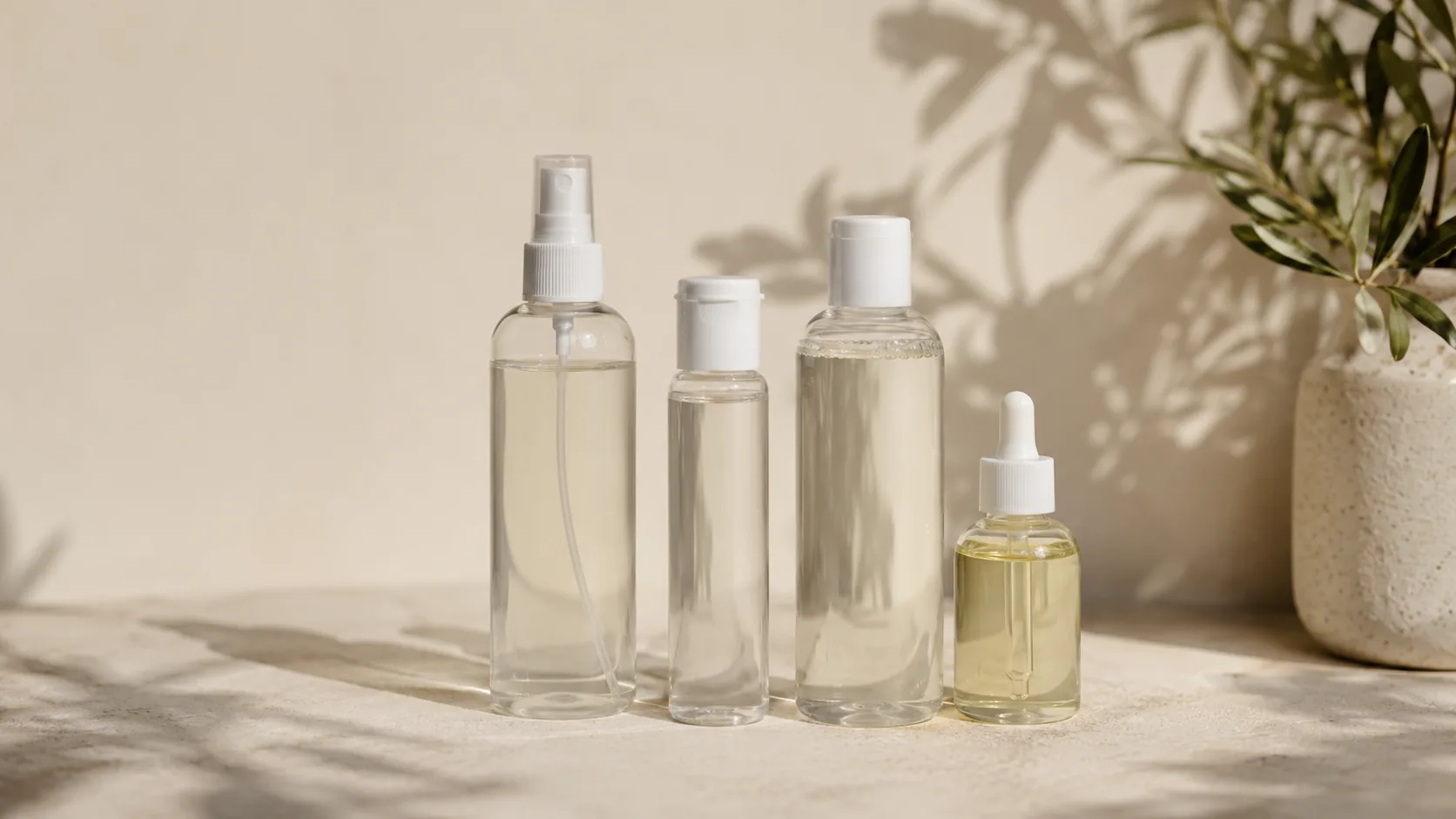
What low porosity hair needs from products
Low porosity hair has a tight, flat cuticle, the outer layer of overlapping scales that lies down smooth and closed. Water and product are slow to get in through that closed surface, but once moisture is inside, this hair holds it very well. So the job a good product has to do is almost the opposite of high porosity hair. The problem is not keeping moisture in. The problem is getting it past the door.
That one idea reframes the whole shelf. Low porosity hair is not dry hair that needs more product. It is hair that struggles to absorb the product it already has, so the fix is better absorption, not heavier layers. Pile on thick creams and rich butters and they have nowhere to go, so they pool on the surface as a coating instead of a treatment.
You are really shopping for three things, in this order:
- Gentle heat to open the cuticle. Warm water, a few minutes of steam, or a heat cap relaxes that flat cuticle just enough to let moisture move in.
- Light, water-based moisture. Thin liquids, milks, and foams absorb far more readily than heavy butters, especially on warm, damp hair.
- Humectants to pull moisture in. Glycerin, honey, and aloe draw water into the strand rather than coating it.
Everything below fills one of those jobs, plus the clarifying step that keeps the whole system working. Pick by the role, not by the label on the front.
If you only change one thing, change the temperature. Applying a lightweight leave-in to warm, damp hair instead of cool, dry hair is the biggest upgrade most low porosity routines can make.
The product types that work
Here are the six product types that earn a place in a low porosity routine, each with the job it does, an example to look for, and a budget alternative that does the same thing for less.
- 1. Clarifying shampoo (the reset). Buildup is the main enemy for low porosity hair, which films over the fastest because its cuticle already lies flat. Clarify every couple of weeks to clear the slate, and always follow with a deep conditioner. This hair tolerates regular clarifying well.
- 2. Lightweight liquid leave-in (the water). Milks, foams, and light liquids absorb far more readily than heavy butters. The first ingredient should usually be water. Apply it to warm, damp hair right after a rinse, while the cuticle is most receptive.
- 3. Humectant styler or gel (draws moisture in). Glycerin, honey, and aloe pull water into the strand rather than coating it. A light flaxseed or aloe gel holds a style without leaving a film.
- 4. Thin deep conditioner with gentle heat. Keep it pourable, not thick. A few minutes of steam, a thermal cap, or a warm rinse helps it move in instead of resting on the surface.
- 5. Heat cap (opens the cuticle). Warm (not hot) water, steam, or a thermal heat cap during deep conditioning is the most useful tool in a low porosity routine.
- 6. A light, absorbing oil, used sparingly. Only the thin, absorbing oils belong here: argan, grapeseed, sunflower. A few drops, not a soak. There is a full guide to oils for low porosity hair if you want to go deeper.
If you can only buy two things to start, make them a clarifying shampoo and a lightweight leave-in. One clears the door, the other gets moisture through it. Together they fix the two failures that define low porosity hair.
Ingredients to look for and avoid
Once you know the roles, the ingredient list on the back tells you whether a product can actually absorb. These are the ingredients worth reaching for on low porosity hair:
- Water as the first ingredient, the sign of a light, absorbable formula rather than a heavy coating.
- Humectants (glycerin, honey, aloe vera) that draw and hold water inside the strand.
- Hyaluronic acid, a lightweight hydrator that attracts water without weight.
- Lightweight oils (argan, grapeseed, sunflower) thin enough to absorb instead of coating.
And the ones to be careful with. None of these are forbidden, but they tend to work against low porosity hair if you lean on them:
- Heavy butters (shea and cocoa in large amounts), which mostly pool on top instead of sinking in.
- Non-water-soluble silicones, which build up and form a barrier that blocks moisture. The water-soluble PEG-type silicones are the acceptable exception.
- Frequent protein. Low porosity hair is often protein-sensitive, and too much leaves it stiff, hard, and straw-like. Lead with moisture and use protein only occasionally. If you are unsure which your hair needs, an elasticity test tells you: mushy and overly soft means it could use protein, brittle and snappy means it needs moisture.
How to use them
Owning lightweight products only helps if you apply them with heat to warm, damp hair and keep buildup in check. On low porosity hair the method matters as much as the bottle.
- Apply to warm, damp hair right after a warm rinse, not to cold, dry hair where products sit on top.
- Use gentle heat (warm water, a few minutes of steam, or a thermal heat cap) during deep conditioning to relax the cuticle.
- Keep textures thin and slightly warm. The moment a low porosity routine turns thick and cold, it starts sitting on the surface.
- Clarify on a schedule. A clarifying shampoo is the workhorse, an apple cider vinegar rinse at one to two tablespoons per cup of water is a gentler reset, and a chelating shampoo handles hard-water minerals. Heavy product buildup is what eventually blocks moisture from getting in at all, so this step keeps the rest of the routine working.
For the full wash-day routine and the deep dive on how this hair behaves, the low porosity hair guide walks through it step by step. If you want to make your own, the DIY natural hair recipes are sorted by porosity.
Products that work
Below are the kinds of products that suit low porosity hair, described by type rather than brand so you can match the idea to whatever is available to you. Look for these roles in your routine and pick the formula that fits your texture and budget.
Heads up: the links below are affiliate links. If you buy through them we may earn a small commission at no extra cost to you, and we pick by fit, not by commission.
Frequently asked questions
What products are best for low porosity hair?
Low porosity hair does best with lightweight, water-based products: a thin liquid leave-in, a humectant styler with glycerin or aloe, a light deep conditioner used with gentle heat, and a clarifying shampoo for buildup. Apply to warm, damp hair and go easy on protein and heavy butters.
Is protein good for low porosity hair?
Usually use it sparingly. Low porosity hair is often protein-sensitive, and too much protein can leave it stiff, hard, and straw-like. Lead with moisture and reach for protein only occasionally, when hair feels mushy or overly soft rather than brittle.
What is the best oil for low porosity hair?
The lightest, most absorbing oils: argan, grapeseed, and sunflower. They are thin enough to soak in instead of just coating the strand. Use only a few drops, and skip heavy oils like castor, coconut, and shea, which pool on the surface.
Why do my products just sit on top of my hair?
Because a tight, flat cuticle resists absorption, products applied to cold, dry hair tend to sit on the surface. Apply to warm, damp hair right after a rinse, use gentle heat such as steam or a heat cap, and choose thinner, water-first formulas.
How often should I clarify low porosity hair?
About every couple of weeks. Low porosity hair builds up the fastest because its cuticle already lies flat and tight, and it tolerates frequent clarifying well. Always follow a clarifying wash with a deep conditioner.
Does low porosity hair need heat?
Gentle heat helps a lot. Warm (not hot) water, a few minutes of steam, or a thermal heat cap during deep conditioning relaxes the cuticle so moisture can move in. Applying products to warm, damp hair is the biggest upgrade most routines can make.