
Deep conditioner for high porosity hair: what to use and how to get the most from it
A weekly deep conditioner is the closest thing high porosity hair has to a reset button. It softens, smooths, and refills strands that lose moisture quickly. Here is what makes a good one, and how to use it so the results last past the next morning.
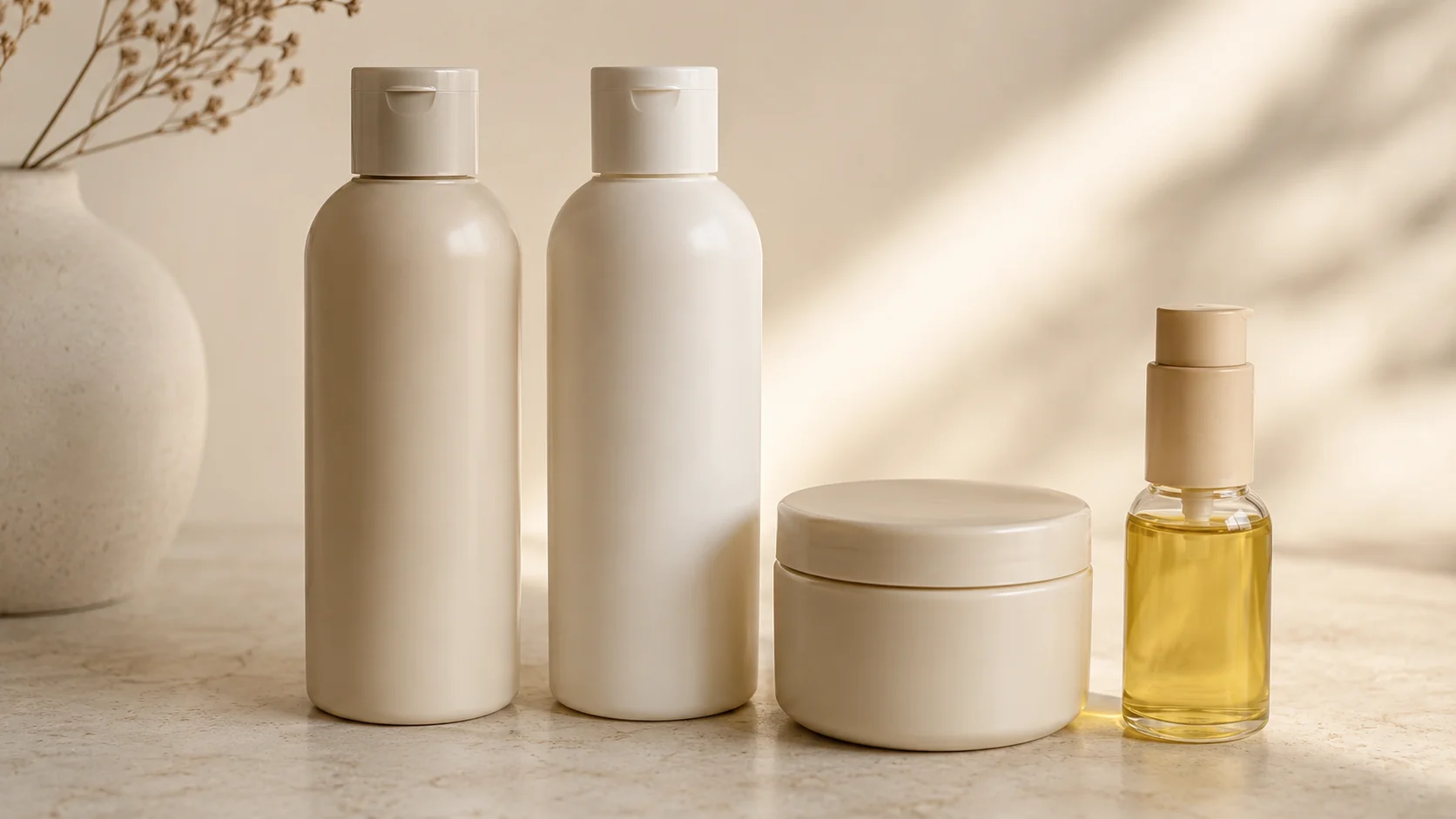
Why deep conditioning matters for high porosity hair
High porosity hair has a raised, gappy cuticle, so water and product move in and out of the strand easily. Day to day that shows up as hair that dries fast, frizzes, tangles, and feels rough at the ends. Every wash, every bit of heat, and every brushing session lifts a little more of that cuticle, especially on older lengths.1
A deep conditioner is a richer, more concentrated conditioner that you leave on for longer than your everyday one. It gives conditioning ingredients, oils, and butters time to coat the strand, smooth those raised edges, and soften hair that has gone dry and stiff. On low porosity hair the challenge is getting a mask in at all. On high porosity hair the mask goes in easily. The challenge is choosing one rich enough to make a difference and then sealing the results so they last.
If you have not confirmed your porosity yet, the free quiz takes about a minute. The high porosity hair guide covers the full routine around this step.
A deep conditioner refills and smooths. A leave-in and a sealing oil afterward keep what it gave you. Skip the second half and most of the benefit is gone within a day.
Moisture mask or protein mask?
Deep conditioners fall roughly into two camps, and high porosity hair often does best with one of each on the shelf.
- Moisture masks are built on conditioning agents, fatty alcohols, oils, butters, and humectants such as glycerin, honey, or aloe. They soften and add flexibility. Most weeks, this is the one you want.
- Protein or repair masks add hydrolyzed proteins or amino acids for strength; the smallest of these can get into damaged hair and reduce breakage.2 Reach for one when your hair feels weak, mushy, or stretches too far when wet.
A rough home way to choose on any given week is the hair elasticity test. As a common rule of thumb, hair that snaps quickly and feels dry wants moisture, and hair that stretches a long way and feels limp wants protein. For more on the stronger end of that range, see our guide to protein treatments for high porosity hair, and for the bigger picture, the protein vs moisture balance guide.
What to look for on the label
- A conditioning agent in the first few ingredients. Behentrimonium chloride, behentrimonium methosulfate, or cetrimonium chloride give slip and smoothness and help the cuticle lie flatter.3
- Fatty alcohols. Cetearyl, cetyl, and stearyl alcohol give a mask its thick body and soften the hair. They are not the drying kind.4
- Butters and richer oils. Shea butter, mango butter, avocado, olive, and similar ingredients cushion porous strands and slow moisture loss.
- Humectants, balanced. Honey, glycerin, aloe, and panthenol hold water. In a rinse-out mask they are helpful, especially when you seal afterward.
- Some hydrolyzed protein, if your hair likes it. A little protein in a weekly mask suits many high porosity heads. If heavy protein tends to leave yours stiff, or it already feels stiff, pick a protein-free formula.
Things to be careful with: a mask that lists mostly water and a thin conditioner base will feel pleasant but do little for very porous hair. Heavy non-soluble silicones can build up if you only ever use gentle cleansers.5 And be cautious with fragrance-heavy formulas if your scalp is sensitive.
How to deep condition, step by step
- Start with clean hair. Shampoo or co-wash first so the mask reaches the hair, not a film of old product. If hair has felt coated lately, clarify that week. Our guide to product buildup explains the signs.
- Squeeze out excess water. Dripping hair dilutes the mask. Wet but not streaming is right.
- Apply in sections, ends first. Use more product than you would with a regular conditioner and focus on the mid-lengths and ends, where porosity is highest.
- Detangle gently while it is in. The extra slip makes this the easiest time to work out knots.
- Cover and wait. Put on a plastic cap and leave the mask for the time on the label. Gentle warmth from a heat cap or a warm towel over the cap is optional. Warmth helps a deep conditioner work in faster, and many people find rich masks feel better with it.
- Rinse with cool or lukewarm water. A cool final rinse is a popular finishing step. There is little evidence it seals the cuticle, but it does no harm if you like it.
- Leave-in, then seal. Apply a leave-in conditioner to wet hair straight away, then a cream or oil on top. Our leave-in conditioner guide covers this step.
Any heat source should feel warm, never hot. If you use a microwavable heat cap, follow its heating instructions and check the temperature with your hand before it goes on your head.
How often to deep condition
Once a week is a good default for high porosity hair. If your hair is very dry, bleached, or damaged by heavy heat use, every wash day can work well with a moisture mask. Watch for the opposite problem too: if your hair starts to feel limp, mushy, or loses its curl pattern, you may be overdoing moisture. Space the sessions out, or swap in a protein mask once and retest.
Over time, consistent deep conditioning and gentler handling can make hair feel much less porous, even though the damage itself does not reverse. Our guide on whether hair porosity can change explains what is realistic.
Matching the mask to your hair
Porosity tells you that your hair needs a richer mask and a good seal. Texture and history tell you how rich.
- Fine or thin porous hair. Choose a creamy mask that is not too heavy on butters, and rinse it well. A shorter leave-on time is often enough. If hair feels flat afterward, apply the mask mostly to the ends.
- Thick, curly, or coily hair. Butter-rich masks with shea, mango, or cocoa butter usually suit best. Longer sessions under a cap tend to pay off, and detangling during the mask saves breakage later.
- Bleached or color-treated hair. Alternate a moisture mask with a repair or bond-building mask. These lengths are often the most porous and the weakest at the same time.6
- Heat-styled hair. Deep condition the day before heavy heat styling rather than right after, and always use a heat protectant on top.
Whatever your texture, the test is how your hair feels two days later, not two minutes after rinsing. A mask that keeps your ends soft and less tangled by day two or three is doing its job.
Common mistakes
- Using too little. A thin layer will not do much for very porous hair. Every strand should feel coated.
- Leaving it on overnight. It is rarely needed and can leave hair limp and over-soft. A set time with a cap works better.
- Only ever using moisture masks. Damaged hair often needs some protein too. Alternate when the stretch test suggests it.
- Skipping the seal. Without a leave-in and an oil or cream afterward, a lot of the softness fades by the next day.
- Deep conditioning over buildup. If the mask seems to stop working, clarify first and try again.
Deep conditioners that work
These well-known masks suit high porosity hair, from rich moisture masks to repair formulas, plus a heat cap if you want one. Each has a cheaper alternative. For the full routine around them, see the best products for high porosity hair.
Heads up: the links below are affiliate links. If you buy through them we may earn a small commission at no extra cost to you, and we pick by fit, not by commission.
Shopping by product type? See our high porosity guides to the best leave-in conditioner and protein treatment.
Sources
The research behind this guide. Last reviewed 19 October 2026.
- Lee Y, Kim YD, Hyun HJ, et al. Hair shaft damage from heat and drying time of hair dryer. Annals of Dermatology. 2011;23(4):455-462. PubMed
- Malinauskyte E, Shrestha R, Cornwell PA, et al. Penetration of different molecular weight hydrolysed keratins into hair fibres and their effects on the physical properties of textured hair. International Journal of Cosmetic Science. 2021;43(1):26-37. PubMed
- Gavazzoni Dias MF. Hair cosmetics: an overview. International Journal of Trichology. 2015;7(1):2-15. PubMed
- Draelos ZD. Essentials of hair care often neglected: hair cleansing. International Journal of Trichology. 2010;2(1):24-29. PubMed
- Carvalho RM, Melo DF, Kelati A, et al. With or without silicones? A comprehensive review of their role in hair care. Skin Appendage Disorders. 2025;11(6):586-589. PubMed
- Hessefort Y, Holland BT, Cloud RW. True porosity measurement of hair: a new way to study hair damage mechanisms. Journal of Cosmetic Science. 2008;59(4):303-315. PubMed
Frequently asked questions
How often should high porosity hair be deep conditioned?
Once a week suits most high porosity hair, and very dry or damaged hair may like it every wash. If hair starts to feel limp, mushy, or overly soft, space the sessions out or switch to a mask with some protein.
Do I need heat to deep condition high porosity hair?
No. High porosity hair takes in product readily, so many people find heat matters less than it does for low porosity hair. Gentle warmth from a plastic cap or a heat cap helps a rich mask work in faster, but it is optional.
How long should I leave a deep conditioner in?
Follow the label. Many masks suggest five to thirty minutes. Leaving one on overnight is rarely needed and can leave porous hair feeling limp, so a set time with a cap usually works better.
Should a deep conditioner for high porosity hair have protein?
It helps to own one of each. Use a moisture-focused mask most weeks and a mask with some protein when your hair feels weak or overly stretchy. The stretch test gives you a rough read on which one your hair wants.
What do I do after deep conditioning?
Rinse with cool or lukewarm water, then apply a leave-in to wet hair and seal it with a cream or oil. Sealing helps slow the moisture from the deep conditioner from escaping.