
The best deep conditioner for low porosity hair
Deep conditioning is where low porosity hair gets its real moisture, but only if the treatment can get in. The right one is light enough to absorb and used with a little warmth, so it treats the strand instead of coating it.
Why low porosity hair needs deep conditioning
Low porosity hair has a tight, flat cuticle that is slow to let water in but good at keeping it once it is there. An ordinary rinse-out conditioner spends a minute or two on the hair, which on a closed cuticle is barely enough time to start. A deep conditioner stays on longer and, used with gentle heat, gives moisture a real chance to move into the strand.
That is why deep conditioning tends to matter more for low porosity hair than for almost any other type, and also why so many people with this hair say it does nothing for them. A thick mask spread on cold hair and rinsed out ten minutes later mostly sits on top. The same product used on clean, warm, damp hair under a heat cap can feel completely different.
Two things decide whether a deep conditioner works on low porosity hair: what is in the jar, and how you use it. Both are covered below. If you have not confirmed your porosity yet, the free quiz or the water test will tell you where you stand.
Heat is the difference. A deep conditioner used with gentle warmth for 15 to 30 minutes will usually do more for low porosity hair than a pricier one used cold.
What to look for in a deep conditioner
The ideal is a treatment with plenty of slip, a texture that spreads easily, and ingredients that draw moisture in rather than coat the outside. Good signs on the label:
- Water first, which means the base is a hydrating one rather than a butter blend.
- Humectants such as glycerin, honey, aloe vera juice, and panthenol, which draw water into the strand and help it stay there.
- Conditioning agents for slip, often listed as behentrimonium methosulfate, behentrimonium chloride, or cetrimonium chloride, together with fatty alcohols like cetyl and cetearyl alcohol. Despite the name, these fatty alcohols are not drying. They soften hair and give a mask its body.1, 2
- Light oils such as argan, grapeseed, jojoba, or sweet almond, as supporting ingredients rather than the main event. The oils for low porosity hair guide explains how to use oil in small amounts.
Things to approach with care:
- Butters at the top of the list. Shea, cocoa, and mango butters are rich and occlusive. A little is fine, especially on thick coily hair, but a mask built mostly from butters tends to leave low porosity hair greasy and coated.
- Protein in every treatment. Hydrolyzed keratin, wheat, rice, soy, silk, and collagen can help damaged hair, but many people with low porosity hair find heavy protein leaves hair stiff. Keep a protein-free mask as your regular one and use protein only occasionally. The protein and moisture balance guide explains how to tell which your hair is asking for.
- Non-water-soluble silicones such as dimethicone and amodimethicone, which can build into a barrier on hair that already resists absorption.3
- Very thick, stiff textures. If a mask barely moves when you tip the jar, use less of it, warm it in your palms first, or choose something lighter.
How to deep condition with heat
Heat is what makes the whole step work. Warmth speeds up how fast a conditioner works into hair,4 and moist heat is a popular choice because it adds water at the same time. Any of these will do:
- A plastic cap and your own body heat. The simplest method: cover hair with a plastic processing cap and wrap a warm towel or a beanie over it.
- A thermal heat cap. Microwavable caps filled with flaxseed hold gentle heat for a whole treatment. Follow the maker's heating times exactly, and check the temperature on your wrist before you put it on.
- A hooded dryer or a hair steamer, if you have one. Many people with low porosity hair like steam, since it adds warmth and moisture at once.
Then a simple sequence:
- Start with clean hair. A deep conditioner on top of buildup has nothing to reach. Straight after a clarifying wash is the best moment of all.
- Keep hair damp, not dripping. Soaking wet hair dilutes the treatment, and dry hair resists it.
- Apply in sections, working the conditioner from mid-lengths to ends, then smoothing it down.
- Cover and heat for 15 to 30 minutes, or follow the time on the label. Longer is not always better, and an overnight mask can leave hair limp and over-soft.
- Rinse thoroughly with lukewarm water. Leftover conditioner becomes the next layer of buildup.
Follow straight on with your leave-in while the hair is still warm and damp, which is when it absorbs best.
How often to deep condition low porosity hair
Once a week, or every wash day if you wash less often than that, is a common rhythm. Always deep condition after a clarifying or chelating wash, because that is when the strand is cleanest and most ready to take moisture in. A common rule of thumb among stylists: if your hair starts to feel limp, mushy, or overly soft, ease off or add an occasional protein treatment. If it feels stiff and straw-like after a lot of protein, many people find it helps to cut back and stay with moisture. An elasticity test is a quick, rough home check, not a lab test.
Common deep conditioning mistakes
- Using it cold. The most common reason a good deep conditioner seems to do nothing for low porosity hair.
- Using more product instead of more warmth. A thin, even layer works better than a thick coat that cannot absorb.
- Deep conditioning over buildup. If treatments have stopped working, clarify first. The product buildup guide shows what to look for.
- A weekly protein mask. That can suit damaged, high porosity hair, but many people with low porosity hair find it too much.
- Rinsing too soon or too little. Give the treatment its full time, then rinse until hair feels slippery but not slick.
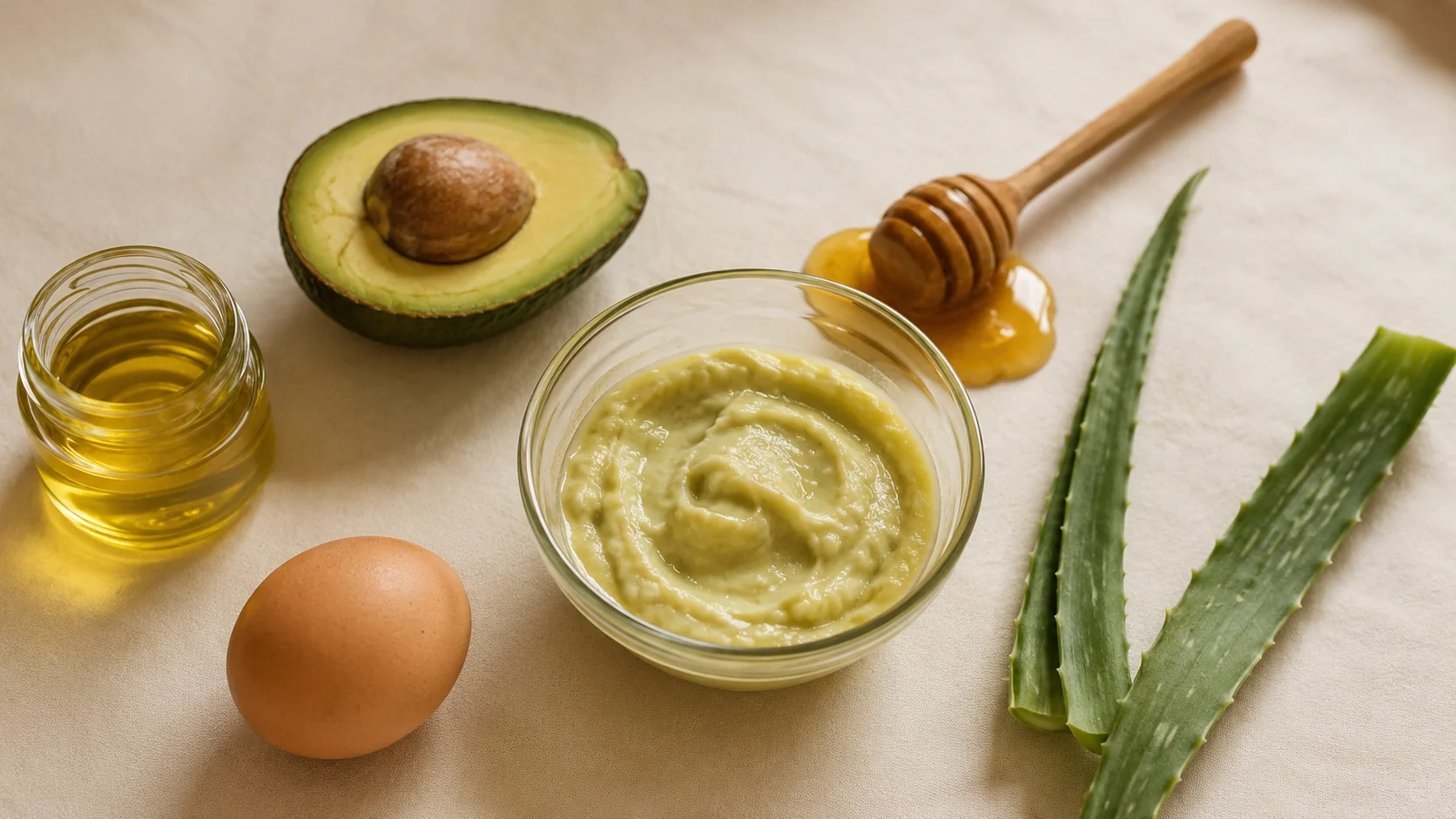
For where deep conditioning fits in a full wash day, see the low porosity hair guide, and for a homemade honey and aloe mask, the DIY natural hair recipes are sorted by porosity.
Deep conditioners that work
These are well-known treatments that suit low porosity hair, plus the heat tools that help them absorb, each with a lower-cost alternative. Formulas change, so check the label if you are avoiding protein or particular butters.
Heads up: the links below are affiliate links. If you buy through them we may earn a small commission at no extra cost to you, and we pick by fit, not by commission.
Shopping by product type? See our low porosity guides to the best shampoo and leave-in conditioner.
Sources
The research behind this guide. Last reviewed 19 October 2026.
- Gavazzoni Dias MF. Hair cosmetics: an overview. International Journal of Trichology. 2015;7(1):2-15. PubMed
- Draelos ZD. Essentials of hair care often neglected: hair cleansing. International Journal of Trichology. 2010;2(1):24-29. PubMed
- Carvalho RM, Melo DF, Kelati A, et al. With or without silicones? A comprehensive review of their role in hair care. Skin Appendage Disorders. 2025;11(6):586-589. PubMed
- Keis K, Persaud D, Kamath YK, et al. Investigation of penetration abilities of various oils into human hair fibers. Journal of Cosmetic Science. 2005;56(5):283-295. PubMed
Frequently asked questions
What is the best deep conditioner for low porosity hair?
One that is water-based, rich in humectants like glycerin, honey, or aloe, light on heavy butters, and protein-free for regular use. Just as important is using it on clean, damp hair with gentle heat for 15 to 30 minutes so it can absorb.
Do I need heat to deep condition low porosity hair?
It helps a great deal. Gentle warmth from a heat cap, a steamer, a hooded dryer, or simply a plastic cap under a warm towel helps the conditioner work in faster. Without heat, more of it tends to stay on the surface.
How long should I leave deep conditioner on low porosity hair?
Usually 15 to 30 minutes with heat, or whatever the label suggests. Leaving it on overnight rarely adds much and can leave hair limp or overly soft.
How often should I deep condition low porosity hair?
About once a week, or every wash day if you wash less often, and always after a clarifying wash. Adjust if hair starts to feel limp and mushy, or stiff and dry.
Should low porosity hair avoid protein deep conditioners?
Not entirely, but use them sparingly. Many people with low porosity hair find frequent protein leaves it stiff and straw-like. Keep a protein-free mask as your regular treatment and use a protein one only when hair feels overly soft or stretchy, a common rule of thumb rather than a lab test.